Products
How to Write Product Descriptions That Sell
A simple formula for describing your products: which detail goes first, which details answer doubts and before-and-after examples you can adapt.
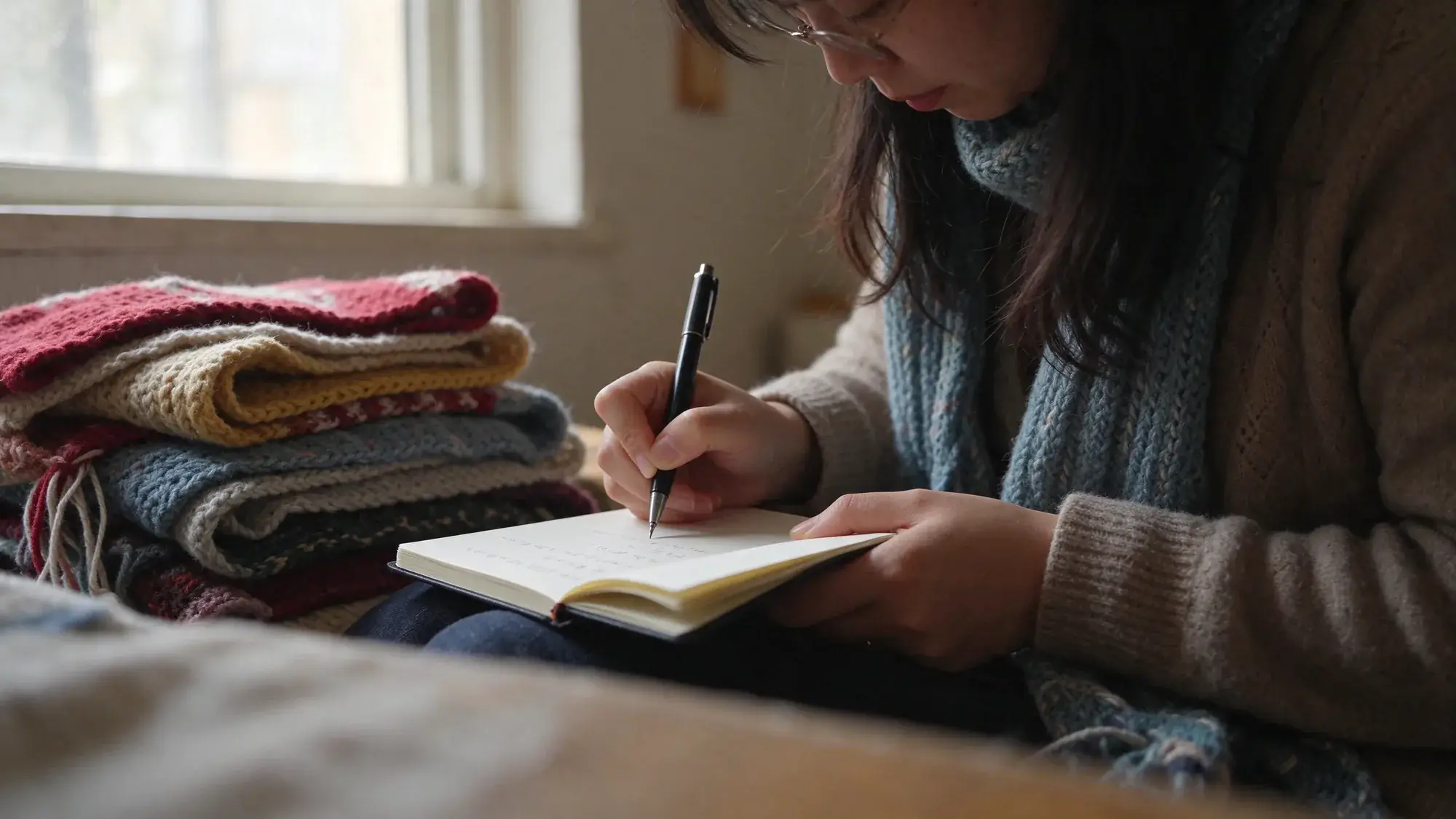
My grandmother knitted wonderful scarves, and when we started selling them online I wrote things like "Hand-knitted scarf, beautiful, perfect for the cold." All the same. People always asked the same things: how long is it? Is it itchy? Can it go in the washing machine? One day I answered those three questions in the description and the questions in my inbox halved.
A good description doesn't have to be poetic. It has to answer what the customer would ask if the product were in their hands. If it does, they buy without messaging you. If not, they message you, or worse, they leave.
What buyers want to know
In a physical shop the customer feels the fabric, reads the label, tries the size. Online they only have your photo and your text. Your description has to do the work of their hands.
Almost everything comes down to four questions: what exactly is it, what is it like (size, material, color, flavor), what or who is it for, and how do you care for it or use it. If your description answers those four, you are ahead of most.
A trick that works for me: look through your last customer messages and note the questions that repeat. That list is your writing guide.
Reviews are another good source, yours or those of similar products. What people praise is worth highlighting; what they criticize is worth clarifying up front. If several people say "I thought it would be bigger," your description needs the measurements in the first line.
A name that says what it is
The product name is the first thing people read and sometimes the only thing. It has to say what it is without guesswork. "Hand-knitted wool scarf, gray" works better than "Cloud Scarf" alone. If you want a pretty name, combine them: "Cloud Scarf, hand-knitted wool."
Put first what people would search for, then the detail that sets it apart. And avoid empty words like "amazing" or "the best"; they say nothing concrete and sound like an ad.
Think about how someone who doesn't know you would search for it, too. Use the word that is common where your customers live, and if you sell in several countries, pick the most common term and mention the other in the description. A clear name gets you found and understood.
Measurements, materials and care
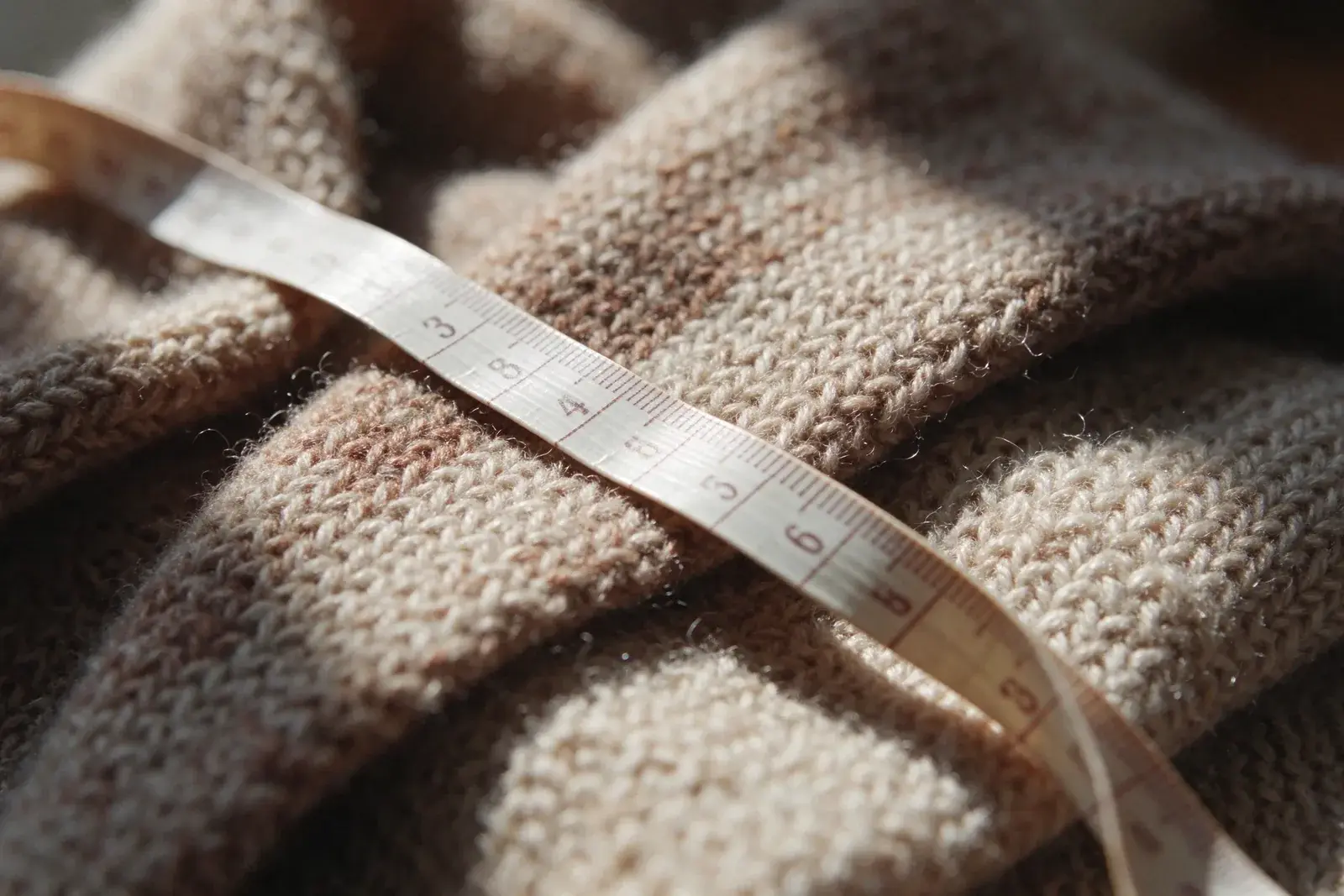
This is the heart of the description. Measurements in numbers: "180 cm long by 30 cm wide," not "big." The material by its real name and what it means for the user: "sheep's wool, very warm and soft to the touch." The color as it really looks, and if it shifts with the light, say so.
And care, which almost everyone forgets: how to wash it, whether it can be ironed, how long it lasts, how to store it. For food, the ingredients, any allergens and how many days it keeps. For clothing, how the size fits.
Every detail in the description is one question fewer in your WhatsApp.
Write in short, flowing sentences, as if you were telling someone at the counter. If there are many technical details, you can close with one line that gathers them.
And write the way you talk. If at the counter you would say "this fabric doesn't crease, you can throw it in your suitcase without worrying," write it like that. That friendly tone builds more trust than stiff text that looks copied off a label.
A before and after
See the difference with a ceramic vase.
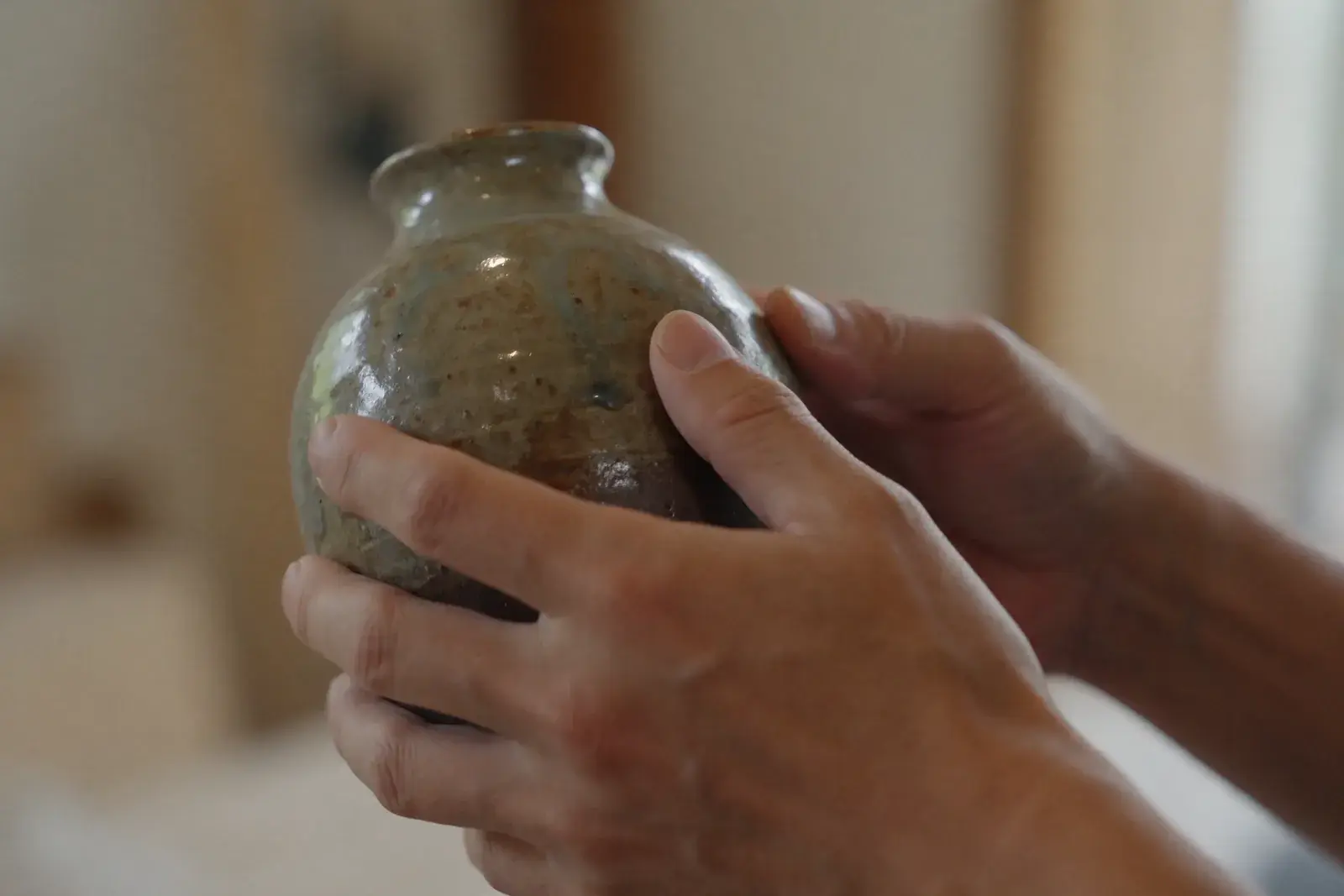
Before: "Beautiful handmade vase, perfect for decorating your home. DON'T MISS OUT."
After: "Handmade ceramic vase with an olive green glaze and a smooth texture. It stands 22 cm tall with a 10 cm opening. It works for fresh flowers: it is glazed inside and doesn't leak. Each piece is unique, so the shade may vary slightly. Hand wash in warm water."
The second version isn't prettier. It is more useful. Whoever reads it knows exactly what they will receive and has nothing left to ask. And watch out for shouty capitals: besides sounding like an ad, they add no information.
Photos and text work together. If the photo shows the texture, the description names it; if the photo doesn't show the size, the description states it. For the photos, see product photos with your phone.
Read the description out loud once before publishing. If you stumble over a sentence, your customer will too. Cut it in two or say it more simply.
How to save time when you have lots of products
If you have fifty products, writing each description from scratch is exhausting. Make a template for each type of product with the details that always appear, in the same order, and only change what varies. Scarves have measurements, wool and care; cakes have size, flavor, servings and storage.
If a product comes in several sizes or colors, write one description and handle the rest as variants; I explain that in product categories and variants.
Selki helps here: in Products you tap New, take the photo and the AI suggests a name, description and category in the AI proposal, where you review, adjust and publish. It is a starting point, not finished text; always check measurements, materials and care, which the AI can't know. The free plan includes 10 AI reads a month and Pro removes that limit. If you want to see short, concrete descriptions in a real store, open any piece at Aurelia Atelier, an example jewelry store made with Selki: in two lines it says what the piece is, what metal it is made of and how it is worn. With all of this inside a tidy digital catalog, each product is ready to sell on its own, and selki.app shows how the rest works.
Frequently asked questions
How long should a description be?
As long as it takes to answer the usual questions. For most products, three to six lines is enough.
Should I use emojis or capitals to grab attention?
Very sparingly. Clear text reads better than decorated text, especially on a phone.
Can I copy the supplier's description?
Use it only as a base for technical details. Write it in your own words, with your customer in mind.
Does Selki write descriptions for me?
Selki helps. From a photo of the product, the AI suggests a name, description and category, and you review and adjust them before publishing.