Sales
Discount Coupons for Your Store: How to Use Them
When a coupon makes sense, how much to take off without losing margin and how to hand it out so it brings new customers and repeat orders.
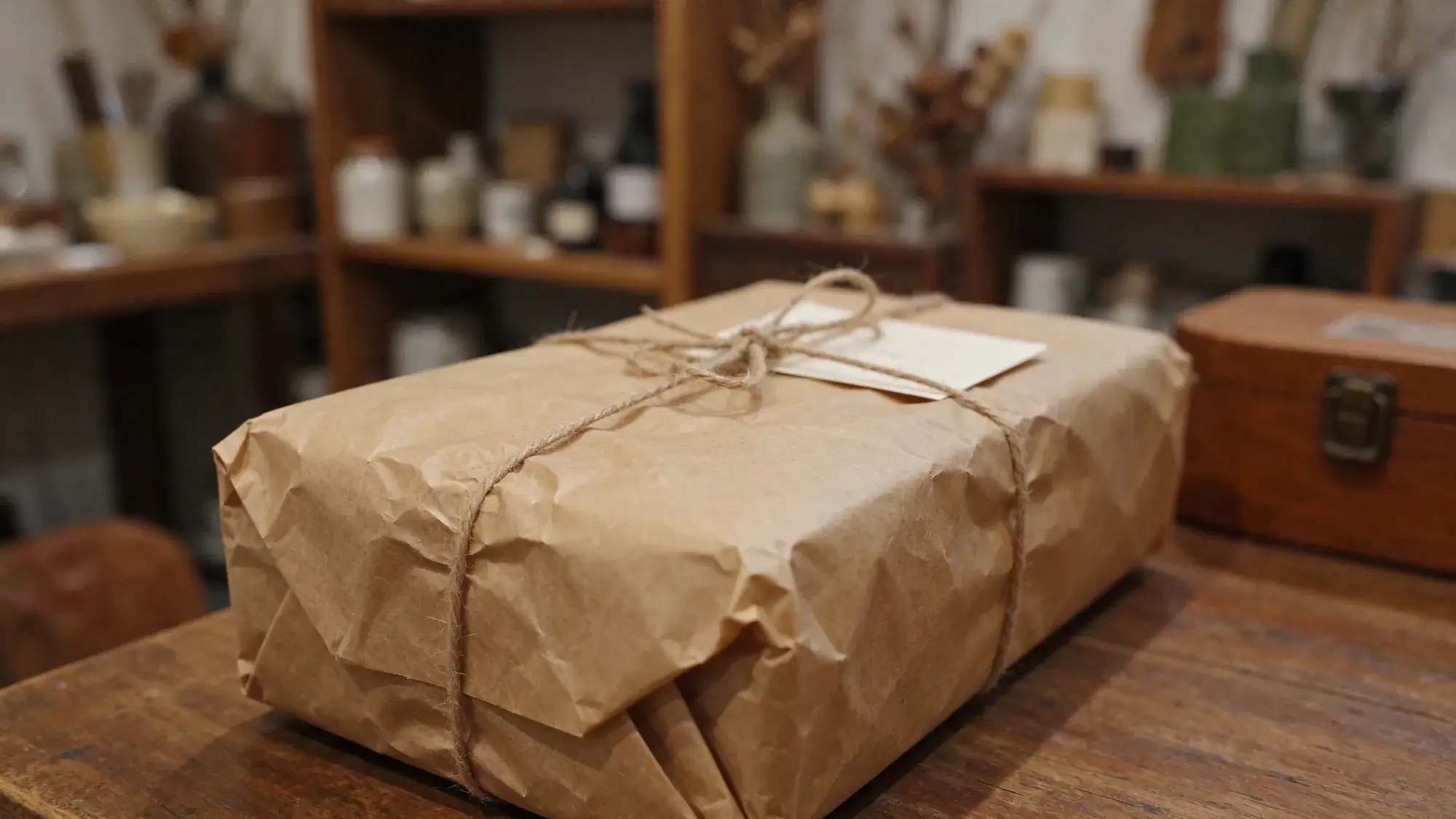
The first coupon I made was a beautiful disaster. Thirty percent off everything, no end date, shared in a big WhatsApp group. I sold a lot that week, loads. When I did the math, I had sold almost everything for a laughable profit, and half the orders were from people who would have bought from me anyway. I learned that a coupon is a tool, not a party.
Used well, a coupon brings in new customers, brings regulars back and moves what got stuck on the shelf. Used badly, it gives your profit away. The difference lies in being clear about why you are giving it, how much and to whom.
What a coupon is for
Before creating any coupon, finish this sentence: "I want this coupon to…" If the answer is just "sell more," it isn't ready yet.
The goals that work are specific. Getting someone who has never bought from you to give it a try. Bringing back someone who bought once. Moving a product that has sat still for weeks. Nudging the average order up a little, for example with a discount above a certain amount. Each goal calls for a different coupon.
With the goal clear, everything else falls into place. You know how much to take off, whom to give it to, which products it covers and how to measure whether it worked. Without a goal every decision is random, and random usually ends up giving margin away.
Which kind of coupon to use when
For a first purchase, a small percentage across the whole store works well: it lowers the barrier without wrecking your margin. To move a particular line, a discount on that category only, something like "10% off Backpacks." For a product that got stuck, a coupon for that product alone. And for loyal customers, something that feels like a gift rather than a clearance sale.

In Selki a coupon can apply to the whole store, to a category with its subcategories or to chosen products, and the discount is calculated only on what the coupon covers. In Coupons you tap New, type the code, choose a percentage or a fixed amount, where it applies and until when; if nothing comes to mind, Suggest with AI gives you an idea to start from. Your customer types the code in your Store's cart and the order reaches your WhatsApp with the discount already worked out. So you don't end up discounting what you never meant to touch.
A coupon without a goal is a discount you pay for and nobody asked for.
How much to take off without giving away your profit
Time for the calculator. The discount comes out of your profit, not your price. If a product costs 10, you sell it for 20 and give 20% off, you sell it for 16 and earn 6 instead of 10. You lost 40% of your profit with a 20% discount. That is how fast it goes.
Before setting the number, check the real cost of each product, as I explain in how to price your products. If the margin is thin, a small discount or a gift, like free delivery or a sample product, is better than a large percentage.
Always set an end date. One or two weeks is enough. The date gives the customer a reason to decide now and protects you from coupons that resurface months later, when your costs have changed.
A detail that helps a lot is limiting how many times the coupon can be used, or per customer. A first-purchase coupon that can be used ten times is no longer for first purchases. And one meant for twenty loyal customers shouldn't end up in a group of a thousand people.
How to hand them out
Where you hand out the coupon matters as much as the discount. To someone who just bought, in the bag or in the confirmation message, for next time. To your WhatsApp customers, in a personal message rather than a giant group. On social media, in a story with a clear date. And in the shop or at the market, on a poster with a code that is easy to remember.

Selki comes with ready-made designs to share: poster, gift card and ticket. You pick the one that suits the occasion and send it on WhatsApp, post it on Instagram or print it, without opening any design program. A good coupon explains itself at a glance: what discount it gives, what it applies to and until when. The designs come inside the app; selki.app shows the rest of what it includes.
If you sell on social media, pairing it with your product posts works well; there are ideas in how to sell on Instagram.
What doesn't help is handing coupons to everyone who asks for a price. That teaches people there is always a discount waiting if they push. Coupons work best when they feel special, not like the real price hidden behind the published one.
How to tell whether it was worth it
When the coupon ends, ask three questions. How many sales used it? How many customers were new? How much did you earn overall compared with a normal week? If you sold more but earned less, and hardly anyone was new, the coupon gave margin to people who were going to buy anyway.
Write down the results of each coupon somewhere. After three or four you will know which kind of discount works with your customers and which just makes noise.
Some mistakes come up again and again: coupons with no date, discounts so big there is no profit left, coupons on everything when the goal was to move one product, and handing them out so often that people learn to wait for the discount before buying. If you also sell to resellers, make sure a coupon never stacks on a wholesale price and ends up below your cost.
You can tell a good coupon because the customer uses it happily and you, at the end of the month, smile at the numbers too.
Frequently asked questions
How much discount is worth giving?
Whatever your margin can comfortably take. Always calculate against your cost, not the price, and make sure you still earn something after the discount.
Can a coupon apply to only some products?
In Selki, yes. It can apply to the whole store, to a category with its subcategories or to chosen products, and the discount is calculated only on what it covers.
Should I set an expiry date?
Always. A near date gives people a reason to buy now and protects you from old coupons turning up months later.
How do I share coupons?
Selki offers ready-made designs to share, such as a poster, a gift card and a ticket. You send them on WhatsApp, post them on Instagram or print them.